
The way people shop is drastically different these days. Gone are the days of driving to the store, picking up what you need, and returning home. Customers can research your website at midnight, place an order, and pick it up the next morning before work. That is reality, and if you cannot keep up with customers’ needs, they will quickly go elsewhere.
Which is why omnichannel fulfillment exists. Omnichannel fulfillment is when retailers fulfill orders across all business channels. It could be an online order, an in-store order, or an order placed through an app. The ultimate goal here is to provide consistently high-quality service to all customers, no matter how they choose to shop.
What Omnichannel Fulfillment Actually Means
Omnichannel fulfillment is all about connectivity. Everything about your operation plugs into one network. All of your channels have access to the same inventory info. Customers can order online and buy in-store. They can return online orders at the store. If your store is close enough, they can even get their order the same day.
Buy online, pick up in store (BOPIS), curbside pickup, and ship-from-store options are exploding in popularity. Consumers love the flexibility these options allow. They were once considered luxury amenities. And so not offering these services is no longer an option. If you’re not offering omnichannel fulfillment, you’re already behind.
Retail returns are another huge factor. A hassle-free return policy means customers are more likely to make repeat purchases from you. Restocking returned goods quickly helps you maintain consistent stock levels while reducing waste.
Why Retailers Can’t Ignore This
Empty shelves are one of the biggest reasons customers leave your store unhappy and never return. Stockouts happen every day to retailers, large and small, and they cost your business money. Omnichannel fulfillment offers real-time visibility across all locations and channels. Know what you have, where it’s stocked, and move it to where it’s needed.
Reduce Expenses. Consolidating your channels into one unified system will eliminate costly duplicate setups. You’ll stop over-ordering from one location and under-ordering from another. Your entire business will run more efficiently.
The data you collect is another big benefit. Every customer interaction across your channels tells you something useful. What they buy. When they buy it. What they skip entirely. That kind of insight lets you stock smarter, plan better, and serve people in a way that keeps them coming back. Retailers who use this data effectively stay ahead of trends rather than chasing them.
The Challenges Are Real
Setting this up is not easy. Most retailers run into the same set of problems:
- Tracking inventory across many locations at the same time
- Keeping prices and deals the same on every channel
- Picking, packing, and shipping orders fast and without errors
- Managing staff who handle both in-store and online demands
- Getting ecommerce fulfillment orders to customers in the last mile without overspending
Each of these can hurt your customer delivery experience if left unchecked. But each one also has a clear fix.
Better Inventory Management Changes Everything
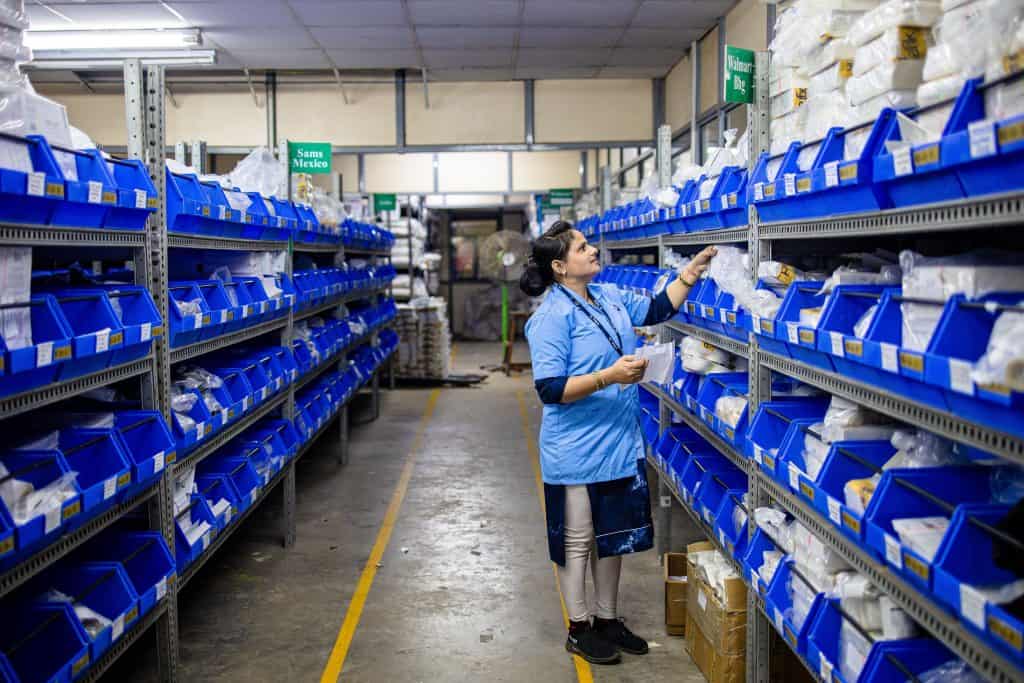
Accurate inventory is the foundation of any solid retail fulfillment strategy. If you don’t know what you have or where it is, you can’t fill orders well. Simple as that.
RFID technology is one of the best tools for this. Tags and readers track items without manual scanning. Stock levels update on their own. Errors drop, and speed goes up.
Item-level RFID goes even further. It tracks each product individually through the whole supply chain. That means less theft, fewer mistakes, and sharper stock accuracy. When a customer checks whether something is in stock online, that data is accurate.
Data analytics tools support inventory tech, acting as a smart helper in the background. Analytics software looks at past sales and seasonal patterns to predict what you’ll need to stock. Machine learning gets better as more data is used. Its forecasts are refined again and again. So you can place the right products where they are needed most.
A centralized inventory system ties all of this together. It connects your retail order management, customer records, and shipping into one clear view. Every department works from the same data. Decisions get made faster. Problems get spotted sooner.
Mobile Tech Speeds Up Store Fulfillment
Mobile devices make store fulfillment faster and easier to manage. Staff use handheld computers and scanners to check stock right where they stand. Orders can be picked from the floor. Customers can also be helped without sending staff to the back room. This helps BOPIS fulfillment move faster and reduces wait times. Barcode scanners and RFID readers update inventory without manual typing. Mobile printers help staff print labels right away. There are also no slow handoffs and label confusion. And as a result, there is less room for human error.
Keeping Your Brand Consistent
Customers know when things feel wrong. Prices can’t be different between online and in-store purchases. It should be the same; otherwise, the trust will break. Also, if you provide amazing service online and terrible service in person, you’ll quickly frustrate your customers.
Unified commerce means your brand has one unified voice across every channel. Prices, promotions, and service levels all should be identical. There is store audit software that allows retail managers to audit any location via a mobile device. Merchandising software is also available to ensure every store is laid out and operates consistently.
Final Thoughts
Omnichannel fulfillment is no longer a nice-to-have for retailers. It’s a must-have. Fortunately, retailers that unify their commerce across all channels will delight their customers, reduce waste, and scale more rapidly. The technology already exists. The blueprint has been laid out. You can start small if you have to. Even making one area of your order fulfillment process omnichannel will have a measurable impact.