


Industries We Serve
We work with national retailers, independent hardware stores, eRetailers, food & drug chains, and government buyers and present flexible, scalable solutions in all channels.
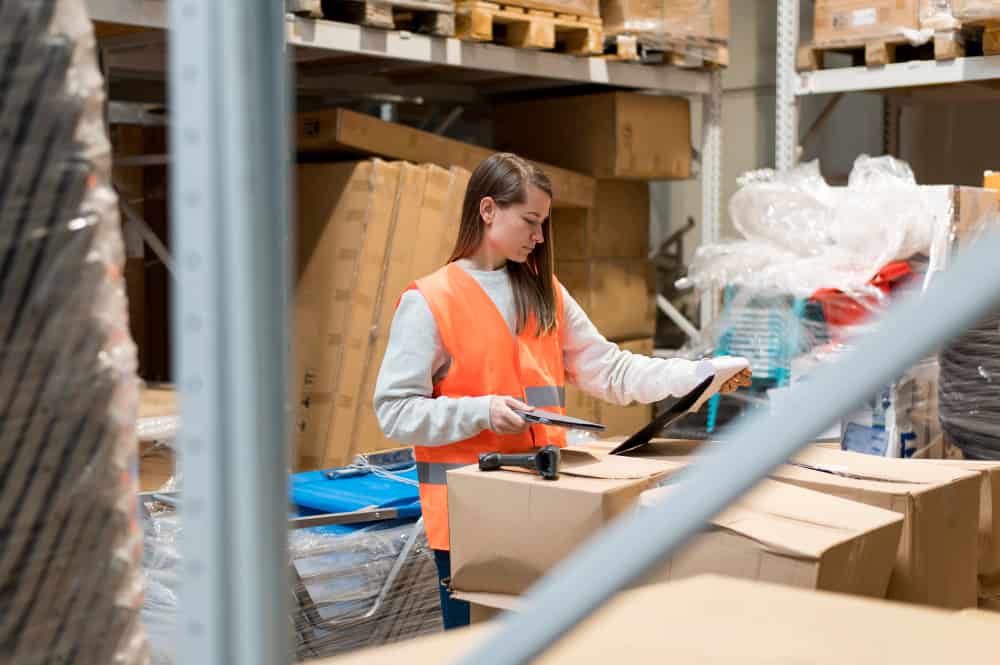
Smart Merchandising
We create products through trends, customer needs and retail objectives all the way through to shelf. We do packaging, private labeling and global sourcing in-house.
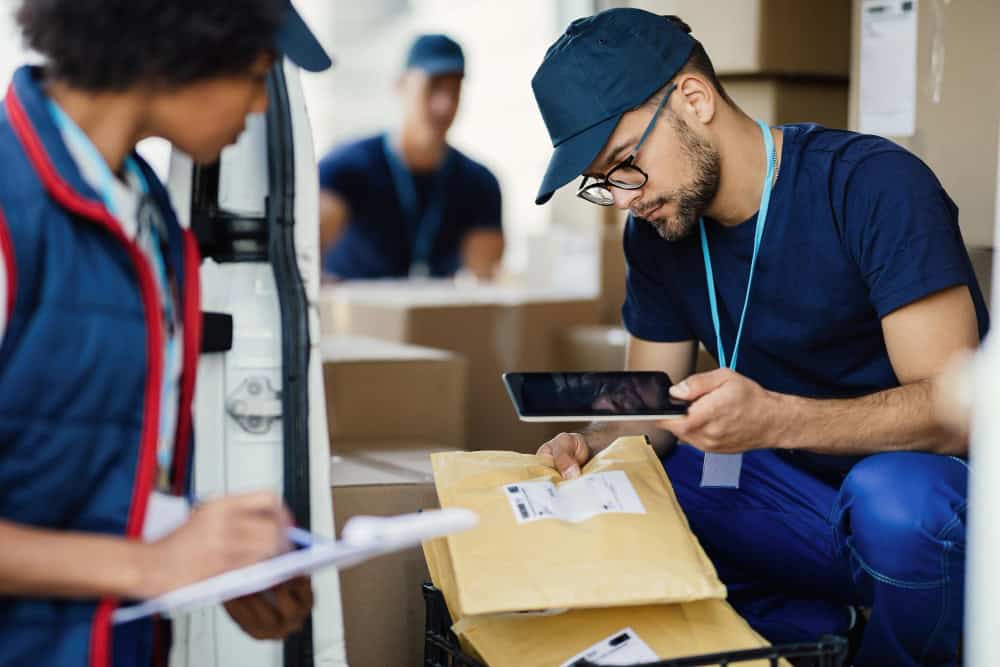
Reliable Logistics
Our products are transported fast, precisely, and retail-ready with a nationwide distribution network, real-time tracking, and optimized freight opportunities.
Blockchain in Supply Chains: More Than Just a Buzzword
Here’s a question worth asking. But how can you really tell if organic coffee is actually from where the label claims? Perhaps if that medicine stayed cold from the factory to the pharmacy? Most supply chains run on trust. And relying on trust alone does not always work.
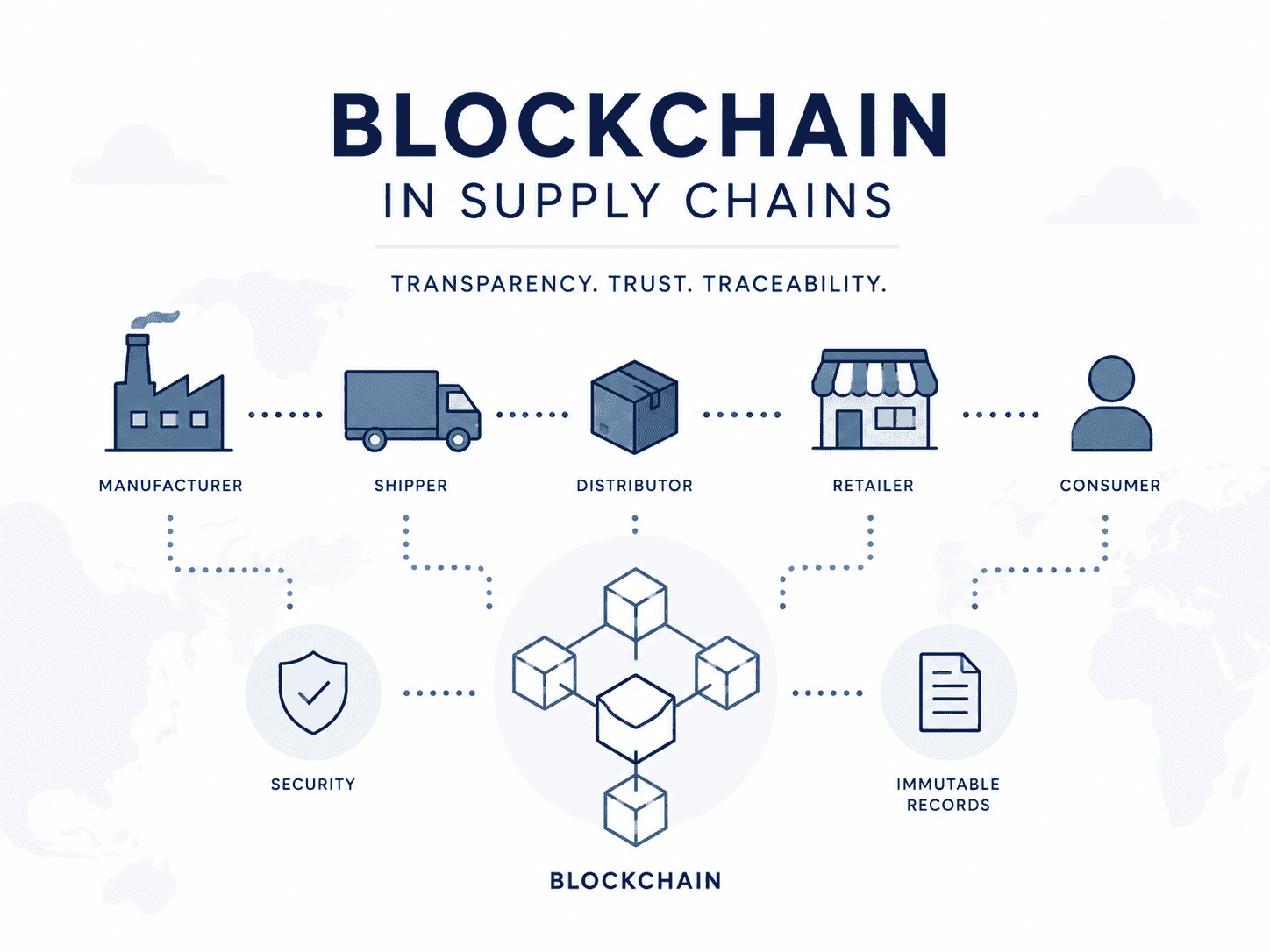
That’s where blockchain in the supply chain steps in. It gives every party a clear and shared record of each step a product takes. There will be no guessing or gaps.
What Is Blockchain in a Supply Chain?
Blockchain is like a distributed digital notebook. Whenever an event occurs, such as a shipment being on the way or a payment clearing, another entry is added. That record cannot be altered or retracted after the fact. Which everybody in the chain can see.
That is a big deal in supply chains. Suppliers, shippers, retailers, and buyers all need to trust the same data. Blockchain supply chain management offers them one collaborative space from which to do it. With this system, you don’t need back-and-forth emails, and it also avoids conflicting records between parties.
Why Supply Chains Need It
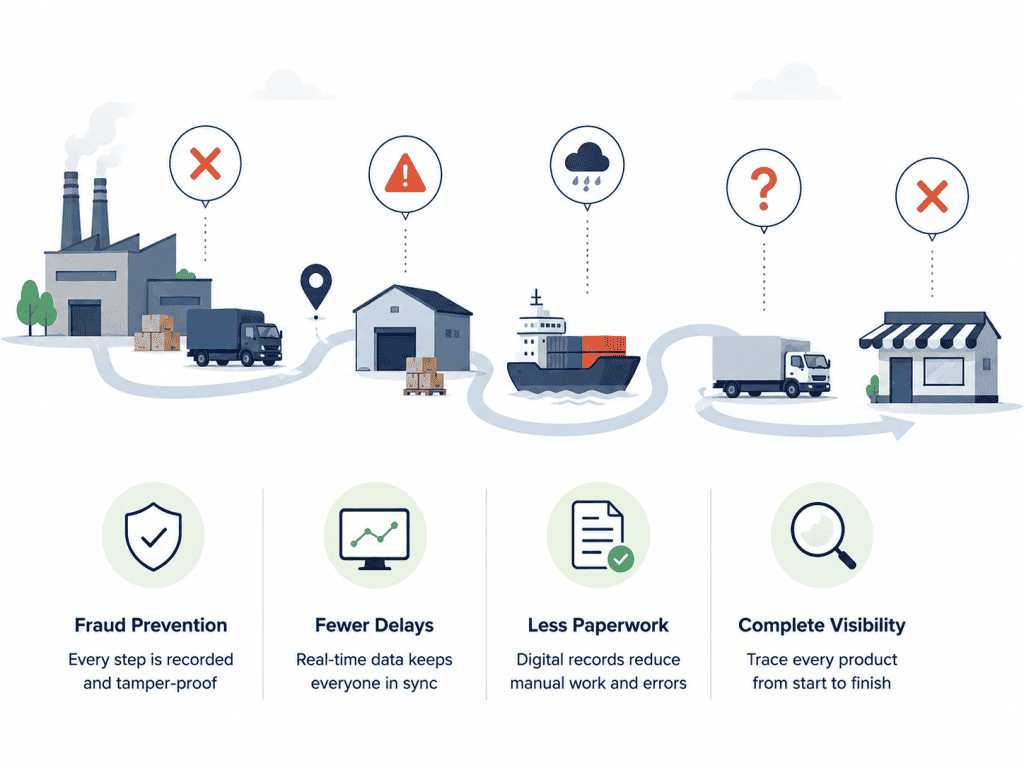
Supply chains are messy. They involve dozens of companies, countries, and handoffs. Things go wrong. Products get lost. Labels get faked. When something does go wrong, it can take weeks to trace where it started.
Blockchain traceability cuts that time way down. Say a batch of food gets flagged for contamination. You trace it back to the exact farm, exact date, and exact shipment. Fast. No finger-pointing. Just facts. Supply chain transparency like this used to be nearly impossible.
Here’s what else it solves:
- Fraud: Fake goods get harder to slip through when every step is logged and locked
- Delays: Everyone sees the same live data with no waiting for slow updates
- Paperwork: Manual documents get replaced by digital records that update on their own
Smart Contracts Do the Heavy Lifting
Smart contracts are small programs stored on the blockchain. They fire off on their own when set conditions are met. Does a shipment arrive at the right temperature? Payment goes out automatically. No delay. No dispute.
This kind of supply chain automation saves a lot of time. It also builds trust between parties who’ve never worked together before. That’s a big deal in global trade.
Real Uses Across Industries
Blockchain logistics and traceability show up in more places than you’d expect.
- Healthcare: Drug companies track medicines from factory to pharmacy. Temperature, location, and time all get logged at every stop.
- Food: Walmart uses blockchain to trace produce. A recall that used to take days now takes seconds.
- Manufacturing: Parts get tracked as they move between suppliers. Counterfeits get flagged early before they cause real damage.
Product traceability at its best means knowing not just where something is right now, but everywhere it’s been. That’s a big shift from how most supply chains have worked for decades.
Blockchain Works Better With Other Tech
Blockchain doesn’t have to work alone. Pair it with IoT sensors, and you get live data straight from shipping containers. Pair it with AI, and you spot problems before they blow up. Supply chain technology gets a serious boost when these tools team up.
A shipment of fresh dairy might have sensors logging temperature every hour. That data feeds into the blockchain. If something goes off, the system flags it right away—no wasted product. No scrambling.
The Challenges
Sadly, no technology out there comes without its share of problems. It takes time for Blockchain Supply Chain adoption to take hold. All partners in the chain need to use a unified system. That’s not always easy. And one reason is that setup costs can be tricky for smaller companies.
There’s also the human side. Because somebody has to make sure that products are labeled correctly. Whatever is recorded in the blockchain gets locked. It can’t do anything about a bad input at the start.
A Foundation Worth Building On
Supply chain security gets stronger when data can’t be altered after the fact. It also generates tangible results for companies such as those constructing on Oracle or Hyperledger platforms. There are fewer delays, lower costs, and faster recalls.
Blockchain in supply chains has moved through the hype cycle. This is a real tool that delivers accurate results. It’s getting adopted by more industries day after day. And those who haven’t yet started using it are starting to wake up.
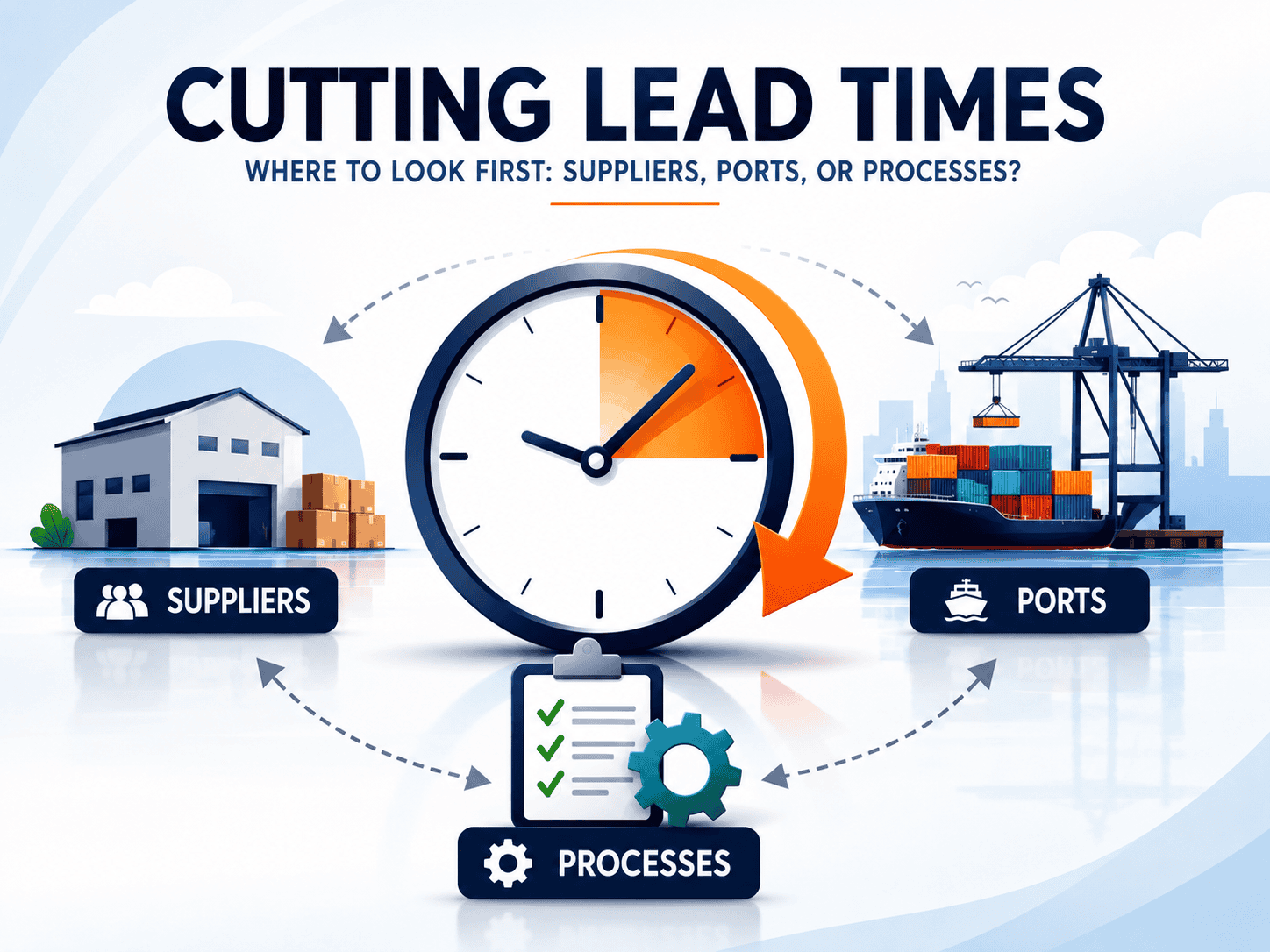
Cutting Lead Times: Where to Look First (Suppliers, Ports, or Processes?)
Lead times are sneaky. They are great on paper, right up until the moment they’re not. A delay here, a bottleneck there, and shelves are bare, and customers are frustrated.
So where do you start? Suppliers? Ports? Your own internal processes? The answer is all three. Before you start plugging holes, you need to find out where your biggest leak is coming from.
What Lead Time Actually Means
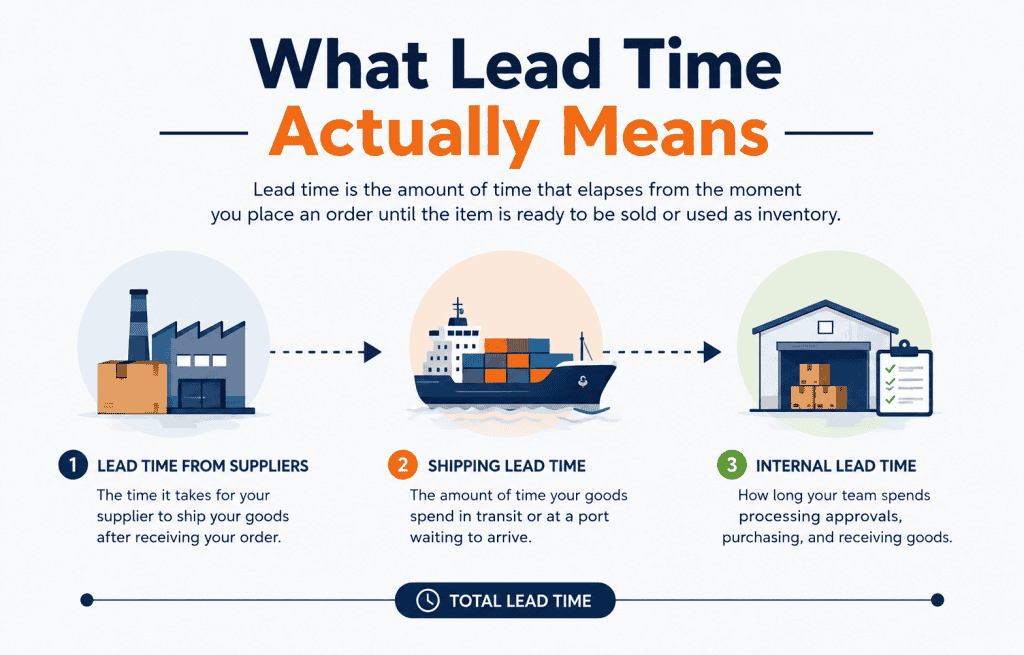
Lead time is the time between when you place an order and when the item is ready to be sold or added to inventory. It can be divided into several categories:
- Lead time from suppliers: the time it takes for your supplier to ship your goods after receiving your order.
- Shipping lead time: the amount of time your goods spend in transit or at a port waiting to arrive.
- Internal lead time: how long your team spends processing approvals, purchasing, and receiving goods.
All three of these areas can negatively impact your lead time. Figure out which category is most detrimental to your business.
Start With Your Suppliers
Lead time often starts with suppliers. A vendor that is slow to ship will require you to keep more safety stock on hand. That uses up cash and complicates inventory planning.
The solution is not always finding a new vendor. Communication can help too. You need to send them sales forecasts and also give advanced notice of large orders. Suppliers can better plan when they know what to expect.
Here’s what to check with your vendors:
- Are they hitting their promised delivery dates?
- Do they go quiet when something goes wrong?
- Are their minimum order quantities hurting your cash flow?
- Could a nearby supplier replace a faraway one?
If you have a supplier who is consistently underperforming, you will need to mend fences or replace them. Comforting yourself with the belief that the vendor relationship is just too difficult to change is one of the most costly habits in supply management.
In fact, most companies don’t measure vendor performance objectively. They wait for crises to occur. Create a simple rating system. Measure timely delivery. Review regularly. You’ll clearly see whom you can depend on and whom you can cut loose.
Port Congestion and Shipping Delays
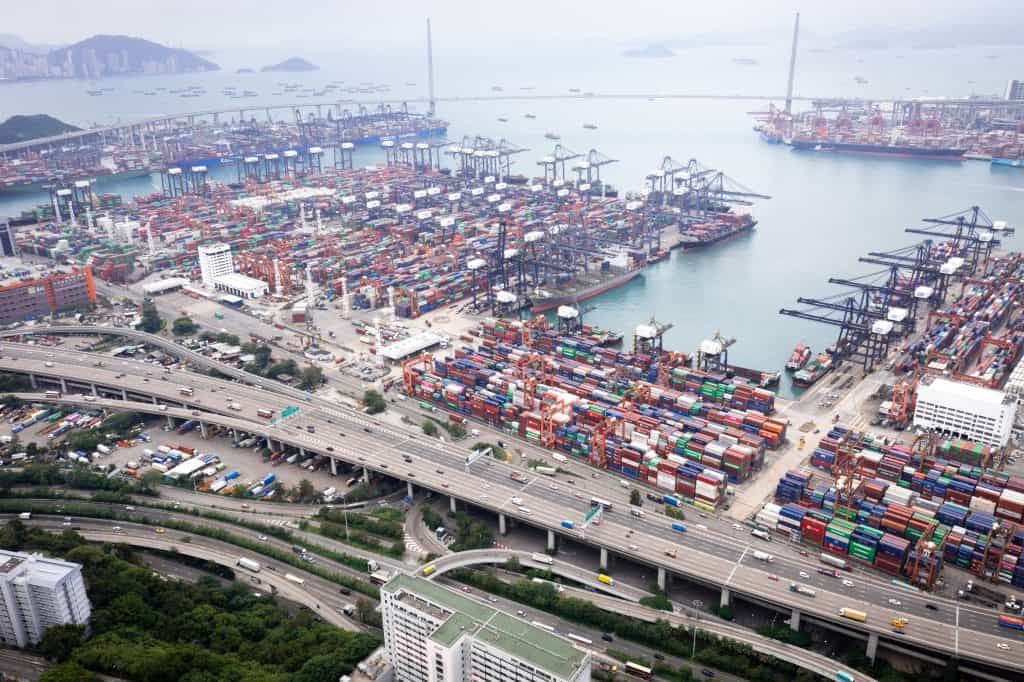
Port delays are a real headache. You can’t always control them. Ships get held up, customs slow down, and containers sit in a yard for days. That’s just global shipping for you.
But you can plan around it:
- Buffer your lead times on busy trade routes to absorb port delays
- Look at air freight for urgent or high-value items when sea shipping is too risky
- Consider nearshore suppliers to cut transit time altogether
Nearshore sourcing is worth a serious look. Unit costs might be a bit higher. But shorter transit times mean less cash tied up in goods on a ship. A storm, a strike, or a backed-up port won’t knock out your whole month’s supply. Know when sea freight works and when it doesn’t.
Your Own Processes Might Be the Real Problem
This is the part most people skim over. Sometimes your own processes are the largest bottleneck.
Imagine an order comes in. It gets manually typed into your system. Then it gets approved. Then it goes to the warehouse. There are multiple points of contact where something could go wrong. Missed email, slow approval, data entry error. Multiply that by several orders a day.
Some fixes that actually help:
- Automate order entry so nothing waits in someone’s inbox
- Set clear approval rules so orders don’t stall at the same desk every time
- Keep inventory data live and accurate so your team works from real numbers
- Standardize how every order flows from start to finish
Inconsistent processes are a quiet killer. Two people handling the same order in different ways doubles the chances of a delay. Pick one process, train your team on it, and stick to it.
Inventory Planning and Lead Times Go Together
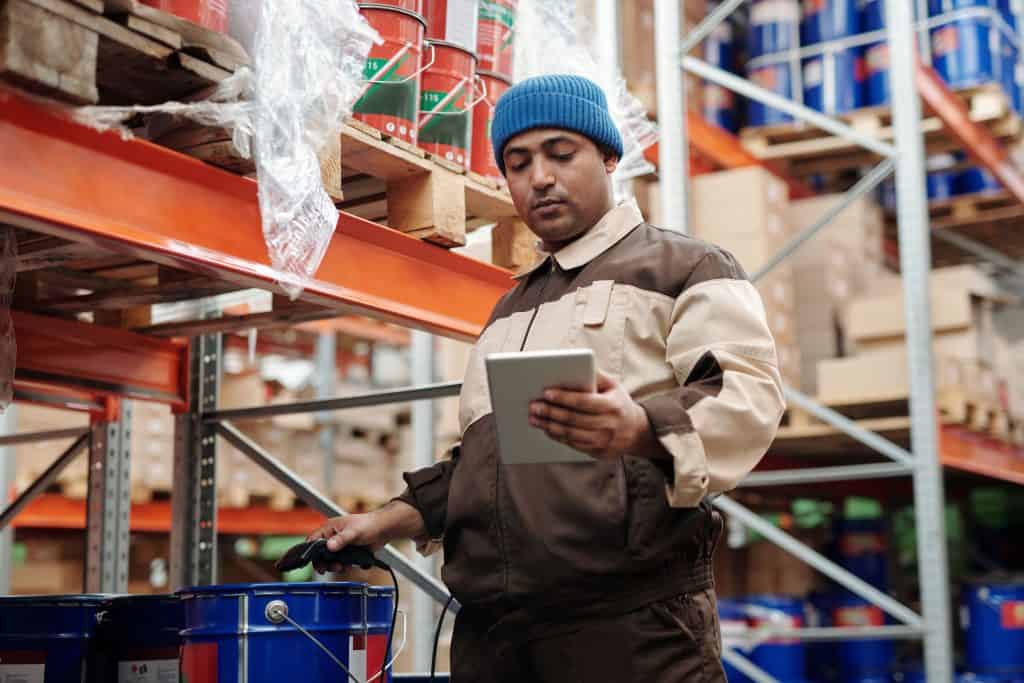
Lead times have a big impact on how severely delays can affect your business. If your reorder points are too low and your safety stock is off, even minor vendor delays could devastate your inventory. Most procurement organizations don’t see the correlation at all.
Here’s a formula. Calculate your expected sales for the lead time period. Add that to your safety stock. There’s your reorder point. Review this frequently. When your lead times change, it is normal for your reorder points to shift as well.
Stagnant safety stock is dangerous. Just because you calculated “X” amount of safety stock last year, doesn’t mean it’s adequate for your supply chain now. And so you will need to review and adjust frequently.
Use the 80/20 Rule
Don’t treat all products equally. Identify the top twenty percent of products that account for eighty percent of your sales. These products are where lead time issues will do the most damage. Monitor their reorder points, safety stock levels, and supplier performance metrics closely. Allow lower-tier products to ride the rules.
It ensures your team is prioritizing the products that move the needle.
Bring It All Together
Cutting lead times drastically means working on 3 areas simultaneously: suppliers, shipping, and your internal processes. You learn where most of your delays actually originate. Then fix that first.
You will also need to track your progress and revise safety stock as conditions change. View everything again a few months later. Supply chains shift constantly. What you fix today might need fixing up in the next quarter!
For this reason, reducing lead time is an ongoing habit, not a one-time fix.

Omnichannel Fulfillment: Serving Both Online and In-Store Customers
The way people shop is drastically different these days. Gone are the days of driving to the store, picking up what you need, and returning home. Customers can research your website at midnight, place an order, and pick it up the next morning before work. That is reality, and if you cannot keep up with customers’ needs, they will quickly go elsewhere.
Which is why omnichannel fulfillment exists. Omnichannel fulfillment is when retailers fulfill orders across all business channels. It could be an online order, an in-store order, or an order placed through an app. The ultimate goal here is to provide consistently high-quality service to all customers, no matter how they choose to shop.
What Omnichannel Fulfillment Actually Means
Omnichannel fulfillment is all about connectivity. Everything about your operation plugs into one network. All of your channels have access to the same inventory info. Customers can order online and buy in-store. They can return online orders at the store. If your store is close enough, they can even get their order the same day.
Buy online, pick up in store (BOPIS), curbside pickup, and ship-from-store options are exploding in popularity. Consumers love the flexibility these options allow. They were once considered luxury amenities. And so not offering these services is no longer an option. If you’re not offering omnichannel fulfillment, you’re already behind.
Retail returns are another huge factor. A hassle-free return policy means customers are more likely to make repeat purchases from you. Restocking returned goods quickly helps you maintain consistent stock levels while reducing waste.
Why Retailers Can’t Ignore This
Empty shelves are one of the biggest reasons customers leave your store unhappy and never return. Stockouts happen every day to retailers, large and small, and they cost your business money. Omnichannel fulfillment offers real-time visibility across all locations and channels. Know what you have, where it’s stocked, and move it to where it’s needed.
Reduce Expenses. Consolidating your channels into one unified system will eliminate costly duplicate setups. You’ll stop over-ordering from one location and under-ordering from another. Your entire business will run more efficiently.
The data you collect is another big benefit. Every customer interaction across your channels tells you something useful. What they buy. When they buy it. What they skip entirely. That kind of insight lets you stock smarter, plan better, and serve people in a way that keeps them coming back. Retailers who use this data effectively stay ahead of trends rather than chasing them.
The Challenges Are Real
Setting this up is not easy. Most retailers run into the same set of problems:
- Tracking inventory across many locations at the same time
- Keeping prices and deals the same on every channel
- Picking, packing, and shipping orders fast and without errors
- Managing staff who handle both in-store and online demands
- Getting ecommerce fulfillment orders to customers in the last mile without overspending
Each of these can hurt your customer delivery experience if left unchecked. But each one also has a clear fix.
Better Inventory Management Changes Everything
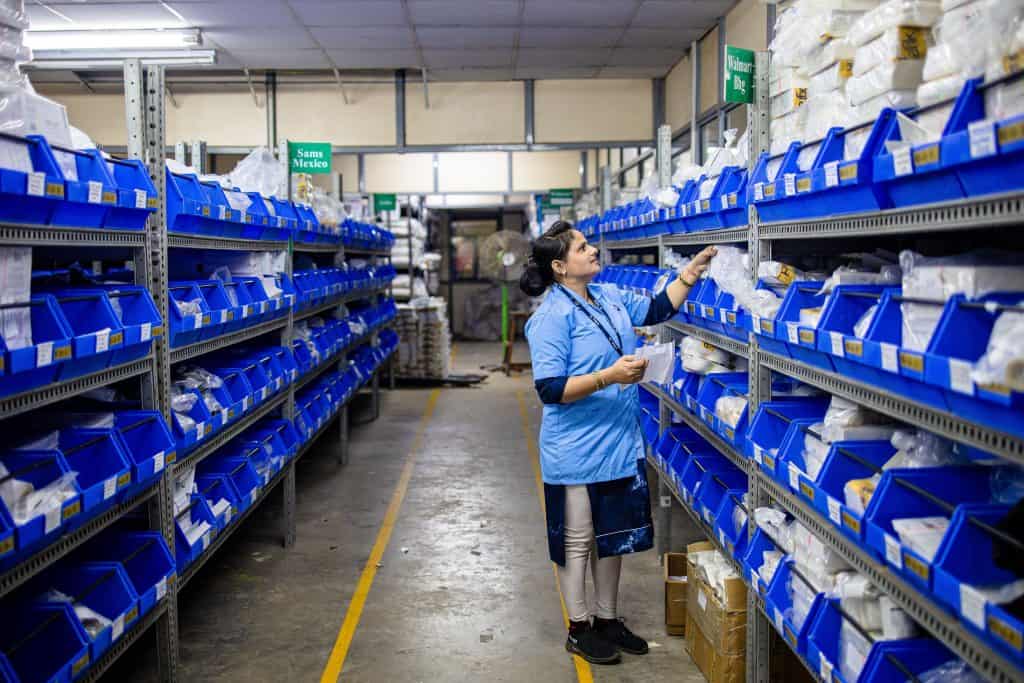
Accurate inventory is the foundation of any solid retail fulfillment strategy. If you don’t know what you have or where it is, you can’t fill orders well. Simple as that.
RFID technology is one of the best tools for this. Tags and readers track items without manual scanning. Stock levels update on their own. Errors drop, and speed goes up.
Item-level RFID goes even further. It tracks each product individually through the whole supply chain. That means less theft, fewer mistakes, and sharper stock accuracy. When a customer checks whether something is in stock online, that data is accurate.
Data analytics tools support inventory tech, acting as a smart helper in the background. Analytics software looks at past sales and seasonal patterns to predict what you’ll need to stock. Machine learning gets better as more data is used. Its forecasts are refined again and again. So you can place the right products where they are needed most.
A centralized inventory system ties all of this together. It connects your retail order management, customer records, and shipping into one clear view. Every department works from the same data. Decisions get made faster. Problems get spotted sooner.
Mobile Tech Speeds Up Store Fulfillment
Mobile devices make store fulfillment faster and easier to manage. Staff use handheld computers and scanners to check stock right where they stand. Orders can be picked from the floor. Customers can also be helped without sending staff to the back room. This helps BOPIS fulfillment move faster and reduces wait times. Barcode scanners and RFID readers update inventory without manual typing. Mobile printers help staff print labels right away. There are also no slow handoffs and label confusion. And as a result, there is less room for human error.
Keeping Your Brand Consistent
Customers know when things feel wrong. Prices can’t be different between online and in-store purchases. It should be the same; otherwise, the trust will break. Also, if you provide amazing service online and terrible service in person, you’ll quickly frustrate your customers.
Unified commerce means your brand has one unified voice across every channel. Prices, promotions, and service levels all should be identical. There is store audit software that allows retail managers to audit any location via a mobile device. Merchandising software is also available to ensure every store is laid out and operates consistently.
Final Thoughts
Omnichannel fulfillment is no longer a nice-to-have for retailers. It’s a must-have. Fortunately, retailers that unify their commerce across all channels will delight their customers, reduce waste, and scale more rapidly. The technology already exists. The blueprint has been laid out. You can start small if you have to. Even making one area of your order fulfillment process omnichannel will have a measurable impact.

How AI Routing Can Save Retailers Thousands
Delivery expenses can quickly devour retail margins. For businesses selling retail products and depend on regular deliveries, fuel expenses, driver hours, and available time add up quickly every week. Artificial intelligence route optimization is revolutionizing the way retailers think about delivery. Businesses that use AI-driven route optimization are saving hundreds of thousands each month.
Read on to learn how.
What Is AI Route Optimization?
AI routing is intelligent software that creates optimal delivery routes for your drivers. Factors such as traffic, distance, delivery time windows, and the number of orders are evaluated simultaneously. From there, the quickest and most efficient route is chosen. Gone are the days of guessing. Gone are the miles of wasted driving.
AI routing creates smart route planning for your entire fleet that doesn’t get tired or accidentally turn down the wrong street.
Why Manual Route Planning Costs You More
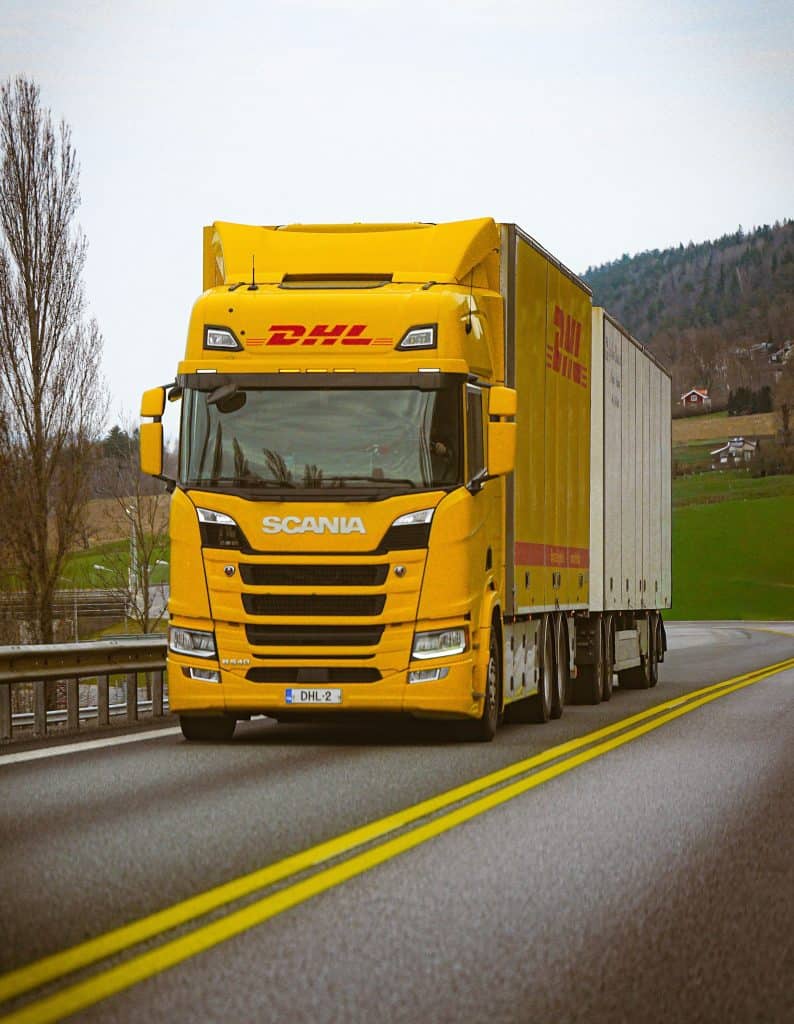
Most retailers still plan routes by hand or use basic map tools. That sounds fine on a slow day. But scale it up to dozens of deliveries across multiple zones, and things break down fast.
Drivers end up on longer routes. Fuel costs climb. Customers wait too long. Each one of those problems costs real money. Picture one driver adding just 20 minutes of extra road time every day. Over a year, that’s nearly 90 hours of wasted fuel and pay. AI logistics software spots patterns that humans miss. It adjusts routes in real time. Your drivers spend less time on the road and more time at each stop.
Real Savings Retailers Are Seeing
Retailers using AI route optimization have cut delivery costs by up to 30%. For a business spending $10,000 a month on last-mile logistics, that’s $3,000 back in the budget every single month.
Here’s where the delivery cost reduction comes from:
- Less fuel is used per route
- Fewer driver hours per shift
- Fewer failed deliveries and re-attempts
- Lower wear on vehicles
- Better use of your whole fleet
Each of those adds up fast. Over a full year, logistics cost savings can be huge for retail operations of any size.
Last Mile Delivery Is Where Most Costs Hide
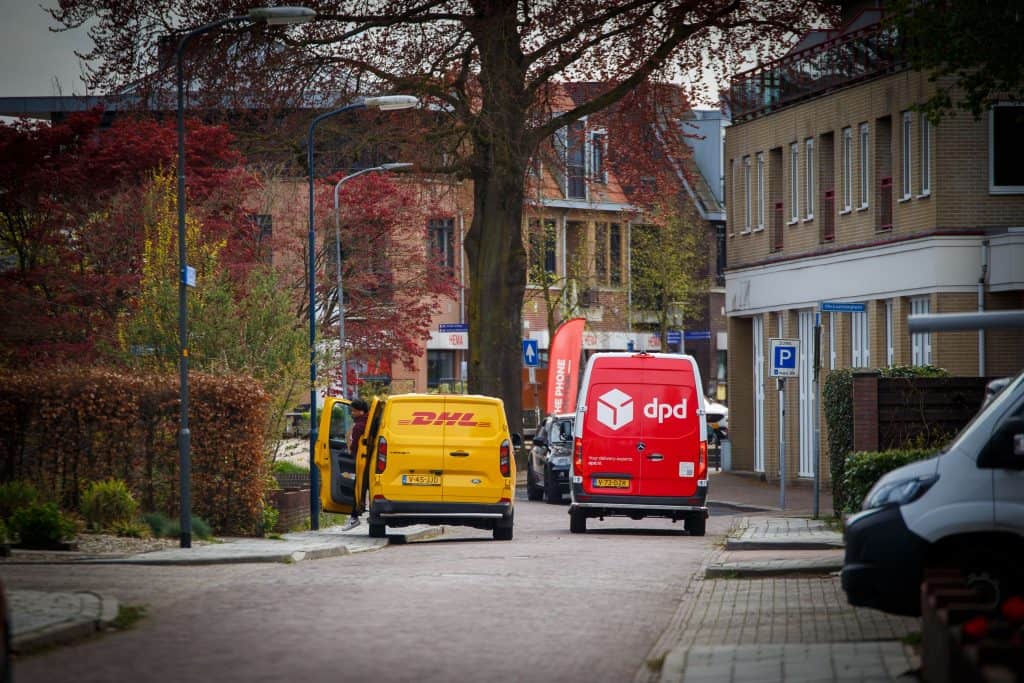
Last-mile delivery optimization starts here. The final stretch of any delivery is the most expensive part. It can account for over 50% of retailers’ total shipping costs. That’s a massive chunk. Many retailers save tens of thousands a year just by improving last-mile routes.
AI tools tackle that cost head-on. They group nearby deliveries together. They skip congested roads. They schedule stops in the smartest order. Drivers finish routes faster. Customers get their orders on time.
Getting Started Is Easier Than You’d Expect
Don’t have hundreds of trucks? No problem. Fleet route optimization software was designed for companies of all sizes. Even small and medium-sized retailers are using route optimization software to compete with big-box retailers.
Retail logistics automation platforms integrate with your existing order management system in just days, not months. And most teams are trained and ready to go within one week. You’ll likely recoup your software investment after just one month by how much route optimization saves you.
The Bottom Line
Between rising fuel prices and customer expectations, retail delivery is only getting more expensive. Gain a competitive advantage with retail logistics automation. Just optimize one delivery area, analyze your spending, and you’ll thank yourself later.
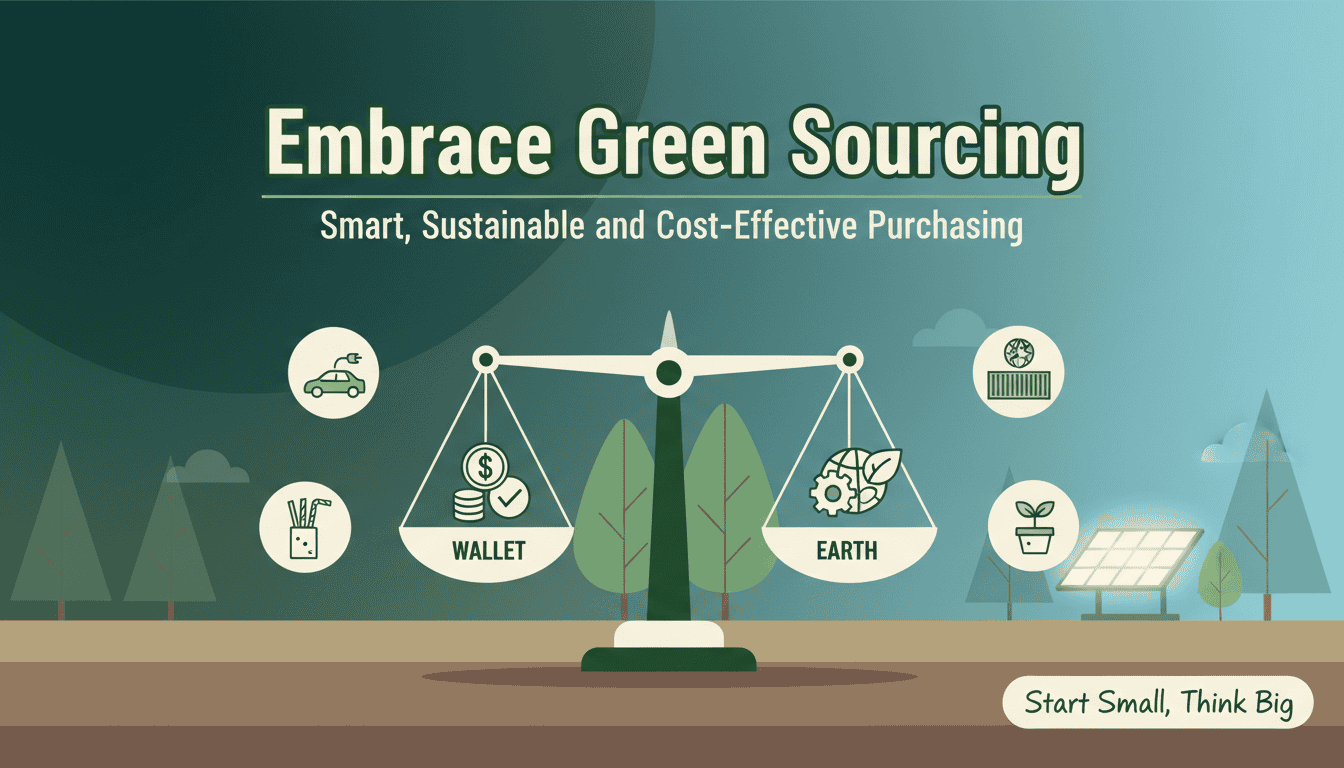
Green Sourcing Strategies: Balancing Cost, Quality, and Sustainability
There is a lot of buzz about “going green” these days. Paper straws are in your drinks. Electric cars are everywhere. Companies are trying to show their eco-friendly side. Behind the curtain, however, true green magic is in how companies procure their products.
Let’s explain green sourcing, the process of buying products without destroying the planet or your wallet.
What Is Green Sourcing Anyway?
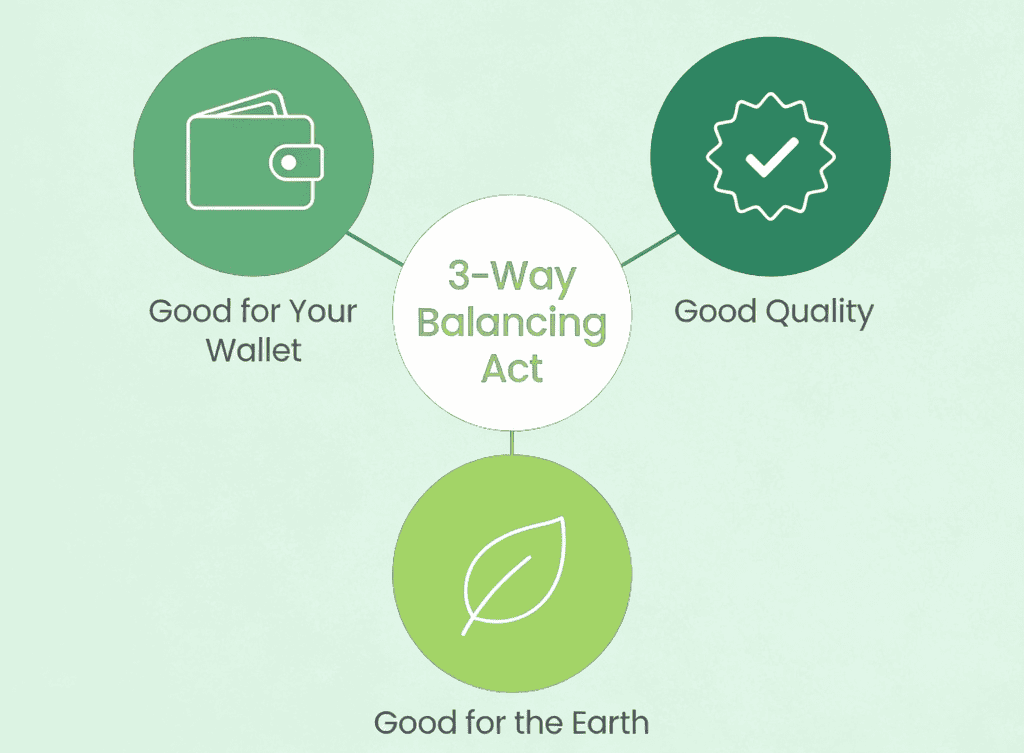
Green sourcing means you buy things that meet three goals: they should be good for your wallet, of good quality, and good for the Earth too. It is similar to shopping for food. You don’t just look at the price; you also check where it came from and how it was made.
These days, companies big and small jump on the green train because customers demand it, laws require it, and, surprisingly, it often saves money in the long run.
The Three-Way Balancing Act
Money Matters
And here’s a myth that needs to be dropped right away. Green does not always mean pricey. Some options do cost more at first. But the long view matters a lot too.
For example, that slightly pricier LED lighting will slash your electric bill for years. Those reusable shipping containers will save you from having to buy new ones every month. Companies that go green can save significant money over time. This was announced at the World Economic Forum.
Quality Counts
Earlier green products used to mean scratchy toilet paper and weak cleaning spray. But not anymore! Today’s sustainable goods can often beat traditional ones on quality.
When you go with suppliers who care about the environment, you usually get cleaner work too. They pay attention to details. And that leads to fewer defects, longer-lasting items, and safer materials. Your customers notice fast. They may not say it out loud, but they show it when they pay more and come back again.
Planet-Friendly Purchasing
Every purchase leaves a footprint on our planet. Green sourcing tries to make that footprint as tiny as possible.
Also, look at the full life of a product. You need to look at where it starts and where it ends. Choose suppliers who use clean energy, use less water, and generate less waste. When companies push suppliers to go green, they can cut pollution by up to 20%.
Five Smart Green Sourcing Tricks
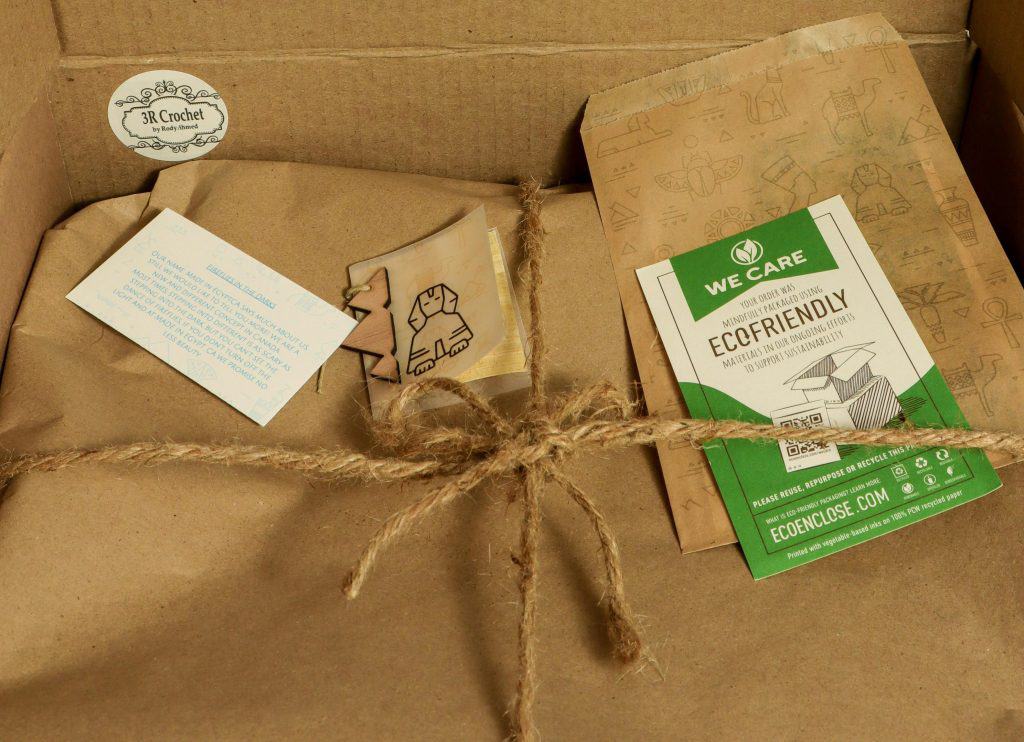
Try these tactics if you are ready to /imgreen up your buying game
Know Your Suppliers
Don’t just take their word for it. You also need to check if they walk the talk. You can ask about their green policies and, if you can, visit their facilities. The best suppliers are happy to show off their eco-efforts because they’re proud of them.
Look at Total Costs
The sticker price can sometimes lie. That cheap option might cost more in the end if it breaks quickly or uses tons of energy. Count all costs like buying, using, fixing, and tossing. Sometimes the “expensive” green option saves buckets of cash over time.
Find the Right Labels
Green certifications cut through the noise. Look for trusted marks like Energy Star, FSC for wood products, or EPEAT for electronics. These symbols indicate that someone has verified the green claims.
Team Up for New Ideas
Work with suppliers to create better solutions together. Maybe you can design packaging that uses less material. Or perhaps find ways to ship products that burn less fuel.
Tell Your Green Story
Share what you’re doing with customers and staff. People often love hearing how their purchases help the planet. But you need to keep it honest because no one likes fake green claims.
Why Bother With All This?
Green sourcing is nice to do, and it’s a smart business. It can help you save money, build your brand, and help you stay ahead of new laws. Plus, it helps create a healthier world for all of us.
You don’t have to go 100% green overnight. You can start small by picking one product category or trying one new supplier. Every step helps.
And in the end, your wallet, your customers, and our planet will thank you!
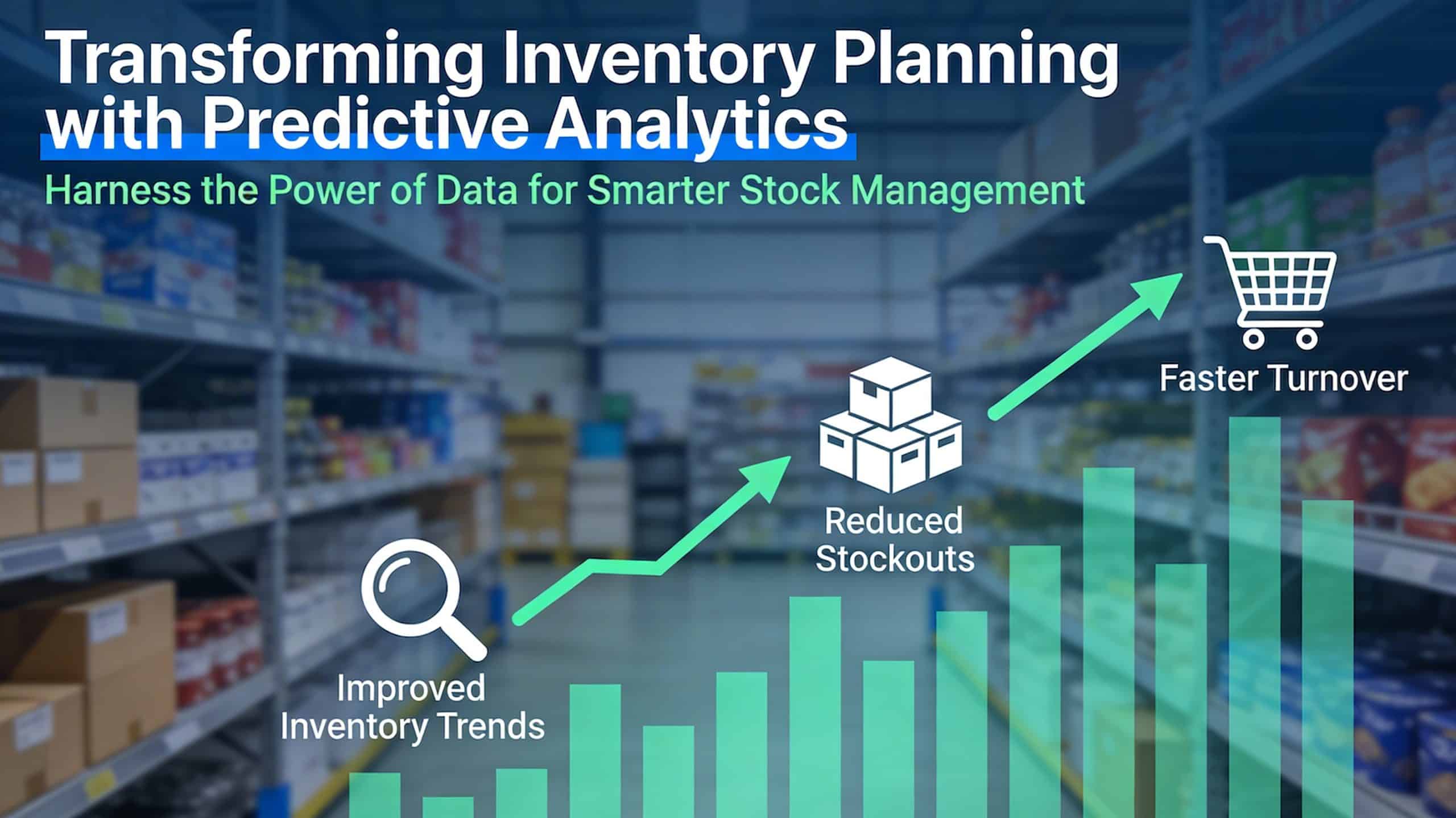
How Predictive Analytics Is Changing Inventory Planning
I am sure you may have once stared at empty shelves and thought, “Why didn’t we order more?” Or maybe you’ve tripped over excess stock cluttering your warehouse. These common headaches are exactly why predictive analytics is becoming a must-have for businesses of all sizes.
In this article, we will discuss how this tech is transforming inventory planning. You don’t need to have a crystal ball to do it.
What Is Predictive Analytics in Inventory Management?
Predictive analytics is the use of past data to predict what might happen next. It means using numbers to predict what customers will buy before they even know they want it. And this works very well for those who manage large inventories,
Small and medium businesses can use this tech to:
- Cut storage costs by keeping less extra stuff
- Stop running out of popular items
- Move inventory faster
- Make smarter choices about what to buy and where to put it
And here’s the best part: you don’t need a huge budget to begin. You don’t need a math degree either. You need a simple plan and the will to start.
Demand Forecasting: The Crystal Ball of Business
Good inventory planning starts with knowing what people will buy. Predictive analytics looks at your sales history and buying patterns. It can also watch external clues, such as the weather. That way, you can plan stock with fewer surprises.
Amazon does this on a massive scale. They process mountains of data to predict what items you’ll want and when. And that is one of the reasons why they rarely run out of stock on popular items!
But for smaller businesses, even the basic forecasting can work wonders. One clothing store used simple predictions to cut stockouts by 20% during busy seasons. They stopped guessing and started knowing what would sell.
Getting Stock Levels Just Right
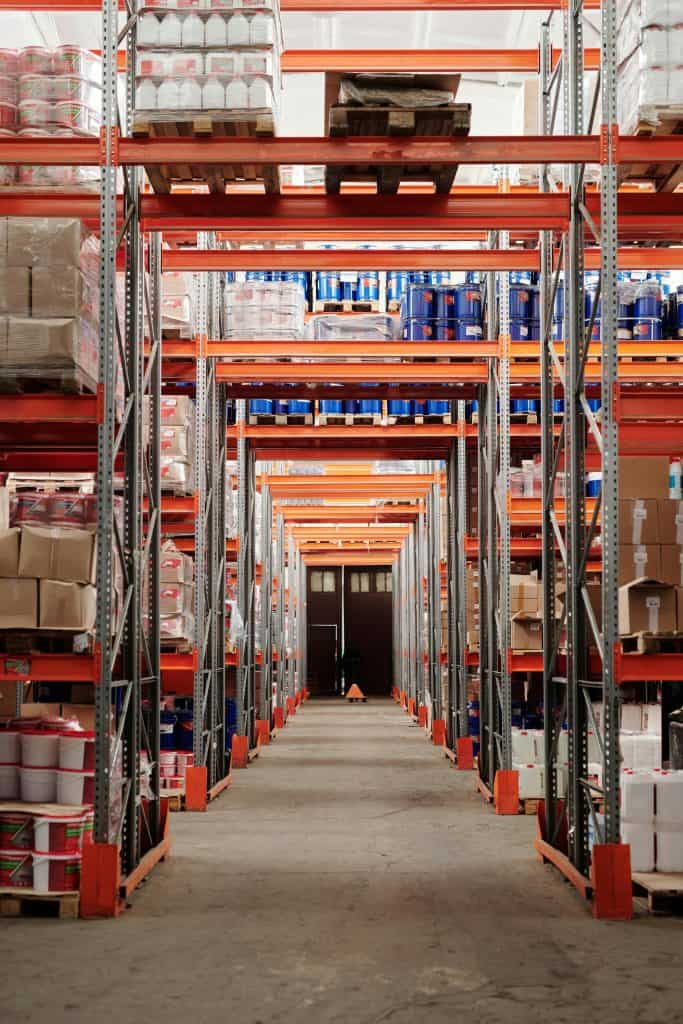
If you have too much inventory, then you waste money on storage and risk items going bad. And if you have too little, the customers will get mad when you can’t fulfill the orders. In this situation, predictive analytics helps find that sweet spot.
The system looks at:
- How much did you sell before
- Busy seasons and slow times
- How long does it take to get more stock
- What it costs to store extra items
Smart Regional Planning
If you have many stores or warehouses in different locations, predictive analytics can tell you what to stock where, since not all locations need the same items!
The system checks:
- What sells best in each area
- Shipping costs between locations
- How much each place can hold
- How fast customers expect delivery
This is not just for big companies anymore. Local chains with just a few locations can also use these tools. A small hardware store group with three locations saved big on delivery costs by putting seasonal items in the right stores at the right times.
How to Get Started Without a Data Science Team

Here’s how to begin if you are ready to try predictive analytics
1. Gather Good Data
Start by collecting clean and accurate info about:
- Sales records – what sold when
- Customer habits – who buys what
- Supply details – how long orders take
- Outside factors – seasons, events, trends
If you put bad data, then it will give bad predictions. And so fix any errors in your records first!
2. Pick the Right Tool
You don’t need math for basic forecasts:
You can start simple initially. And even this will work great, and you will start to see greater improvements. You can always get advanced tools later as you grow.
3. Test and Improve
Check how well your predictions match reality:
- Aim for less than 10% difference between predicted and actual sales
- Look for big improvements in how fast inventory moves
- Track if you’re running out of stock less often
Just rise and repeat, and over time, you will notice the predictions start to improve and become more accurate.
Tips for Success
Below are some tips you can use to optimize your success even further.
You will need to connect your prediction tools with your current systems. And this lets data flow automatically without needing any extra work.
You can also train your team to read and use the data. The best system fails if nobody knows what to do with the insights!
And finally, keep on improving your models. Set up monthly check-ins to see what’s working and what’s not working, and fix what isn’t.

Drones, Robots, and Autonomous Vans: The Next Frontier in Delivery
Ever ordered something online and wished it arrived fast? You’re not the only one. Free shipping has recently pushed a lot of online purchases. Same-day delivery is also gaining momentum and is the future. But the stores still have bills to pay. Drivers, trucks, and even failed drop-offs cost money. And in this scenario, a new delivery tech steps in.
The Delivery Revolution is Here
Technology has entered the delivery business. A tiny robot can now roll up to your house with your pizza. Or a drone drops a package right on your porch. It does sound like a sci-fi movie. But the fact is that it’s happening right now!
Companies are racing to adopt these new technologies because, in 2026, customers won’t just want fast delivery; they’ll expect it. And these smart machines might be the answer to this problem.
Autonomous Vehicles
Self-driving delivery vans are already hitting the streets. These clever vehicles can:
- Work 24 hours a day (no lunch breaks!)
- Find better routes to avoid traffic jams
- Fit through tight spaces that regular trucks can’t
Now these robo-cars can drop off packages in any neighborhood. It does seem straight from a movie, but it’s real!
Drones
Drones are the future now. They are cheap and get the job done. Drones can now deliver everything from pizza to medicine!
The greatest advantage of drones is that they fly over traffic. And that is huge! Amazon, Walmart, and Domino’s Pizza use drones in some test areas because flying saves time. The route is often shorter, too. So the package can reach you faster.
Drones also use electricity, and that can save money. This is because delivery trucks use fuels that cost a lot of money. But drones have some disadvantages too. They cannot yet carry heavy loads. Their batteries can drain quickly, leading to crashes. And this can cause accidents in the neighbourhoods.
Robots
You may notice delivery robots on sidewalks. They usually roll along at a brisk walking speed. They have cameras and sensors that help them to avoid obstacles. Their greatest advantage is that they can follow mapped routes.
Amazon and Coca-Cola have already started to use robots for delivery programs. Starship and Kiwibot also deliver food on college campuses. Robots can learn from each trip. They can also handle bumps and turns better over time. They also get better at timing, so your food shows up warm more often.
Bumps in the Road
Of course, all this tech faces some problems:
- The rules are not fully set yet. Drones can raise questions about airspace and privacy. Robots raise questions about sidewalks and crosswalks. Until cities set clear rules, rollouts might stay slow.
- And city design matters too. Drones need safe places to land. Robots need charging areas. Self-driving vans also need safe routes. Without those changes, delivery tech hits the same old roadblocks, just with new wheels.
- Each machine has some limitations, too. Drones can’t deliver heavier loads, and robots might also struggle with stairs or rough terrain.
Making It Work
For these technologies to really take off, we need the following:
- Better public education so people understand these new delivery methods
- Clear rules about where and how these machines can operate
- Smart choices about which technology fits each delivery job
- Teamwork between companies and cities to build the right paths, charging spots, and landing pads
What’s Next?
But it cannot be denied that the future of delivery is getting closer. You may soon get packages with little human contact.
And the payoff can be big too. For example, delivery can get faster, costs can drop as systems scale, and emissions can drop if fewer trucks run all day. And most importantly, you also get your delivery faster. So be prepared for this to happen soon.
Building a Resilient Supplier Network: Multi-Sourcing Without the Chaos
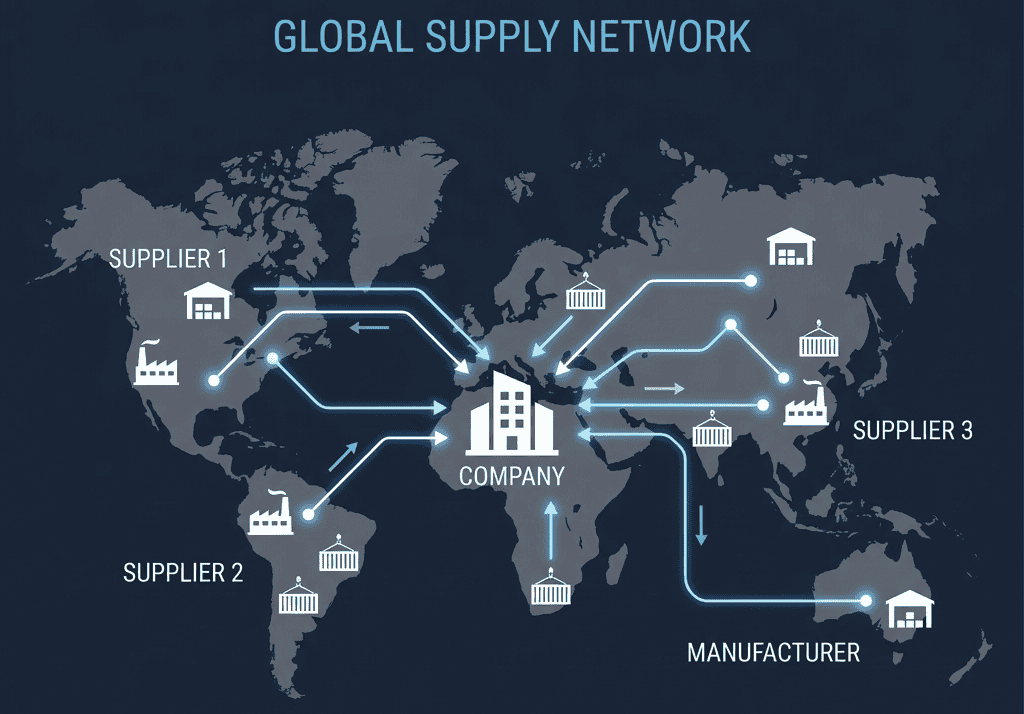
I am sure everyone remembers the 2020 toilet paper shortage. Or that time you couldn’t buy a new PlayStation for months? These incidents showed how fragile supply chains can be. Many companies depend on just one or two suppliers. When those suppliers fail to deliver, problems can arise.
But the good news is that you can now build a stronger supplier network without creating a mess. And in this article, we will look at how to do multi-sourcing the right way.
The Problem With One-Supplier Dependency
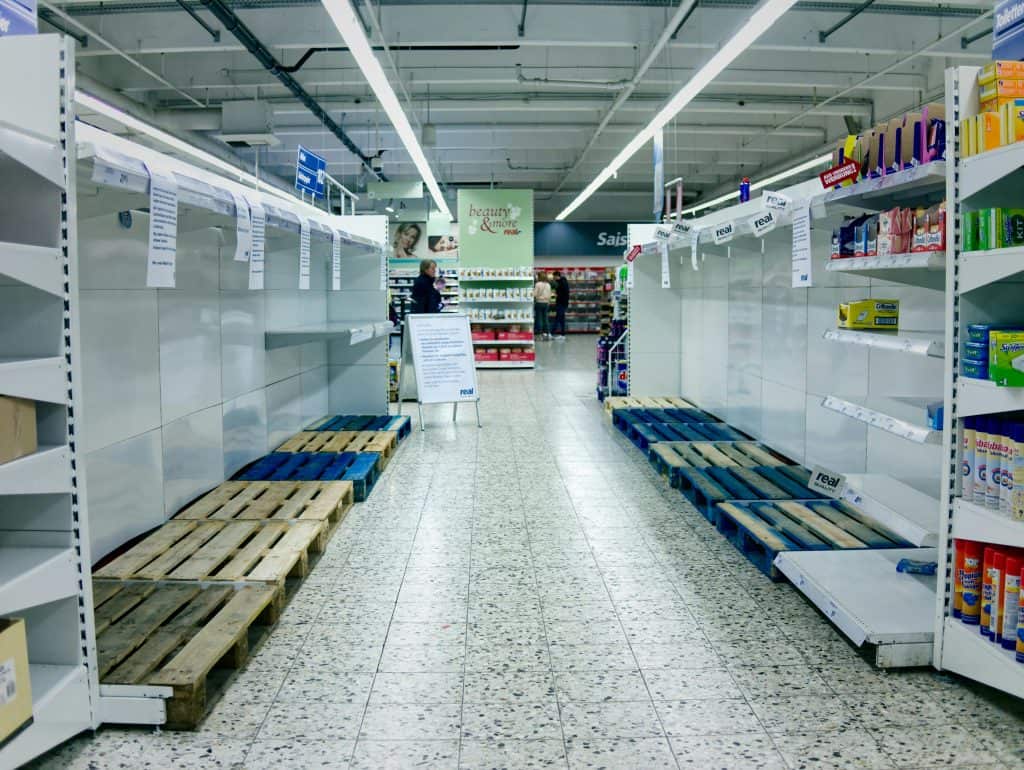
Companies that are putting all their eggs in one basket are asking for trouble. Companies should not rely on just a single supplier. Anything could happen to that one supplier. For example, factory fires, bankruptcies, and port closures. When this happens, your business will be affected as well.
According to a BCI report, nearly half of companies experienced disruptions due to supplier failures. The days of single-sourcing to save a few pennies are over. Smart businesses now know better.
What Multi-Sourcing Really Means
In multi-sourcing, you need a list of contingency suppliers. Those backup suppliers will help you build a strategic network of partners who can step up when needed.
If you do it right, multi-sourcing will give you:
- Protection against regional disasters
- Bargaining power with suppliers
- Faster response when demand spikes
- Access to different types of expertise
But if you do it wrong, it can create a management nightmare of confusing contracts, quality issues, and also higher costs.
Building Your Multi-Source Strategy
Step 1: Map Your Current Supply Chain
First, you need to get clear on what you have now. You need to identify the supplies or parts that could shut down your business if they stop arriving. And those are your critical items.
For each critical item, you need to ask the following:
- Who supplies this now?
- Where are they located?
- What risks exist in their region?
- Do we know their suppliers, too?
Many companies don’t know who their suppliers are! And this blind spot is dangerous. Map at least two or three tiers back for important items.
Step 2: Find and Vet New Partners
This is the most important part! But don’t just grab any company with a nice website. You need to look for the following, too:
- Financial stability (will they be around next year?)
- Similar quality standards
- Capacity to grow with you
- Location in a different region than your main supplier
- Good communication practices
One good trick is to ask existing suppliers for recommendations. They often know quality players in their field.
Step 3: Start Small With New Suppliers
Don’t switch 50% of your orders to a new supplier overnight; it is like asking for disaster. Instead, you can start with small test orders. Find out how they handle communication, quality, and timing before scaling up.
Some companies use a 70/30 split – 70% to their proven main supplier and 30% spread among alternatives. This keeps your primary relationship strong while building backup options.
Step 4: Create Clear Standards
The secret to managing multiple suppliers without going crazy is to follow standards! Every supplier should follow the same:
- Quality requirements
- Packaging guidelines
- Communication protocols
- Performance metrics
When everyone plays by the same rules, you can have enough information to compare apples to apples and switch between suppliers more easily.
The Tech That Makes Multi-Sourcing Work
But to make it all work, you need to have some tech to make it work. Good old spreadsheets won’t cut it anymore. You need systems that give you visibility across your supplier network.
Simple tools like shared dashboards can help everyone to see the same information. This makes switching orders between suppliers much smoother during crises.
Alerts are super helpful, too. The sooner you know about a problem at one supplier, the faster you can shift to another.
Common Mistakes to Avoid
Multi-sourcing goes wrong when companies:
- Chase the lowest price instead of the total value
- Forget to build real relationships with each supplier
- Create too much complexity with too many partners
- Don’t test their backup plans until disaster strikes
You need to remember that having 20 unreliable suppliers is worse than having 3 solid ones!
Top Supply Chain Risks in 2026 – and How to Mitigate Them
During the old days, supply chains just did their job and stayed out of the way. But now that era is gone. Since 2020, you’ve seen how fast things can fall apart. Just one delay can turn into a mess. And then your whole business will pay the price.
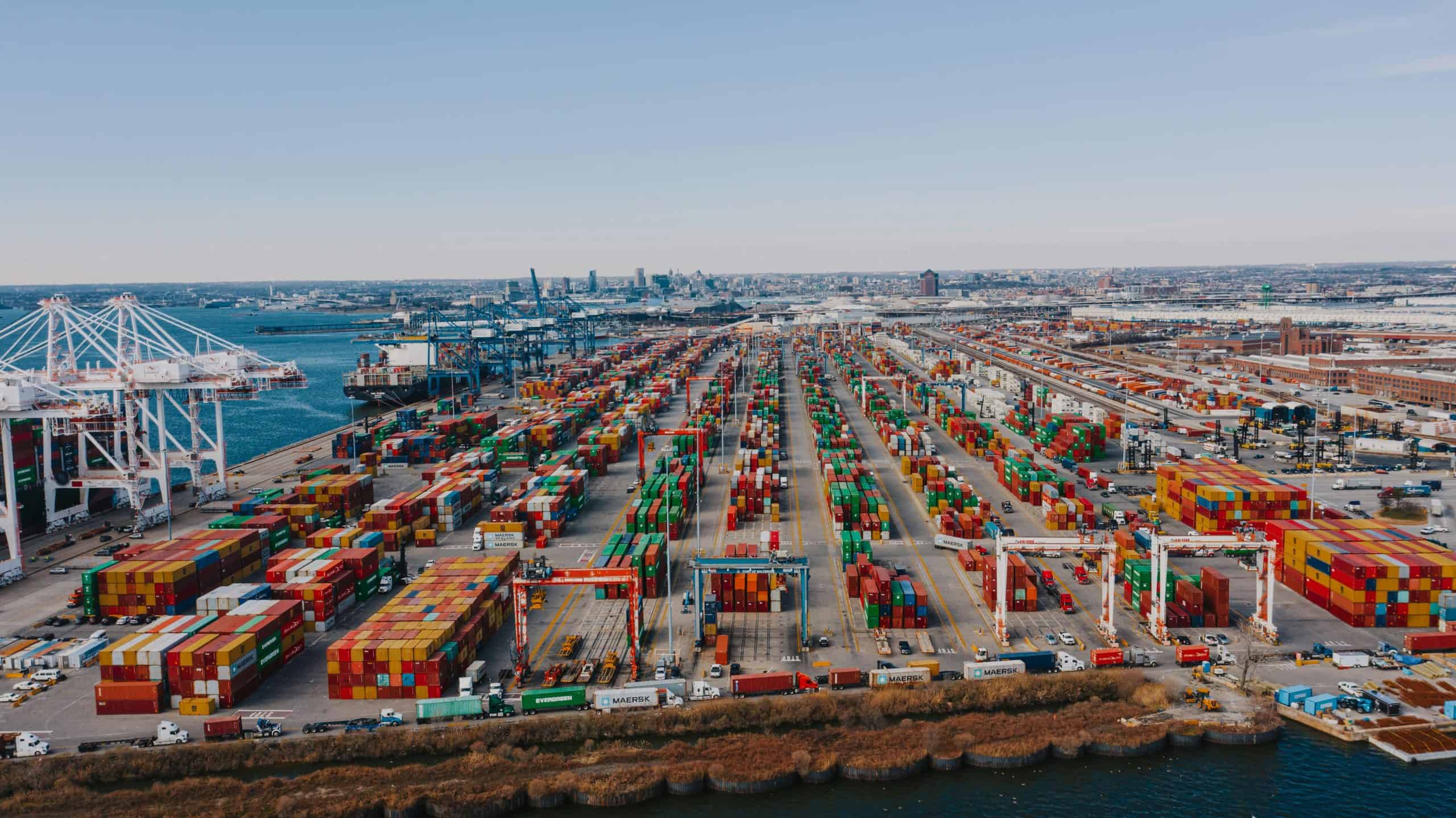
Today, you can’t afford to look away from your supply network. Problems do not send a warning text first. The 2024 Baltimore bridge collapse showed how one event can jam traffic and also the shipping. To top it off, the worker shortages also keep adding pressure.
For this reason, let’s look at the biggest supply chain risks you may face in 2026 and a few clear ways to protect your business.
The Biggest Supply Chain Threats of 2026
Money Problems
Economic issues top the list of worries for most companies. Inflation also drives up costs for everything from raw materials to shipping. And when a key supplier goes bankrupt, you can end up scrambling to find new sources quickly.
Material Shortages
Some things are just hard to get. Metals used in electronics often come from just a few places on Earth. You will notice that when miners go on strike or a country limits exports, the prices jump and wait times grow.
Mother Nature’s Fury
Floods, fires, and storms are among the natural disasters that can occur at any time. This can affect your supply chain. The Business Continuity Institute reported that almost 80% of businesses experienced supply chain disruptions in 2024, with some attributable to natural disasters.
The hurricane damage doesn’t even have to be right next to you. A hurricane can be thousands of miles away and still ruin your plans. It can flood a supplier’s factory and even close the shipping lanes.
Rule Changes
New regulations are introduced frequently, changing how goods are moved around the world. The US’s Uyghur Forced Labor Prevention Act now requires businesses to prove that their goods are not the result of forced labor, meaning companies must trace each component to its original source.
Hackers and Data Breaches
Your supply chain is only as strong as its weakest link in tech. Cyberattacks on supply chains increased 431% from 2021 to 2023. Each component in your supply chain is connected, and those connections create pathways for hackers to access it.
Shipping Snags
Stuck ships, port backups, and truck driver shortages are some of the reasons that can delay the process. One small hiccup can cause weeks of delays, leaving store shelves empty and customers upset.
Worker Shortages
It is also very hard to find good workers nowadays, and this gets harder every year. About 61% of supply chain leaders say keeping their current team is a top concern. The jobs now require more technical skills, but training programs haven’t kept up.
Demand Swings
One day, no one wants your product. But the next day, a TikTok video makes it sell out globally. So how do you plan for that? For consumer goods makers, 52% say demand changes are their biggest headache.
How to Protect Your Business
So what can you do about all this? Here are some smart moves that don’t need a huge budget:
1. Map Out Your Supply Chain
You should start with the basics. First, list every supplier and add what they deliver. And next,t you need to add where they are located. You can put it in a simple spreadsheet and update it often. And this will give you a clear view.
But you should not only track your direct suppliers; you should also track their suppliers. Those tier-2 links matter a lot. Because they can create delays even when your main supplier looks fine.
2. Rate Your Suppliers’ Risk
Not all suppliers are equal risks. Create a simple scoring system that rates each one on factors like:
- How likely are problems in their region?
- Do they have money troubles?
- How hard would they be to replace?
- How much do you depend on them?
3. Don’t Put All Your Eggs in One Basket
The surest way to sleep better at night is to have backup suppliers. Find secondary sources for your most important items. And if possible, in different parts of the world.
4. Rethink Your Inventory Strategy
The old “just-in-time” approach keeps costs down but leaves you exposed when things go wrong. For your most important products (the ones that generate the most revenue), you need to keep extra stock on hand.
5. Build Real Relationships With Suppliers
Get to know the actual people at your key suppliers. Schedule regular check-ins. Ask how their business is doing. When shortages hit, they’ll call their friends first.
6. Create “What If” Plans
Spend time playing the “what if” game. What if your main supplier shut down for 30 days? What if shipping costs doubled? Having those plans ready means you won’t freeze when problems hit.

From Warehouse to Storefront: The Future of Product Sourcing & Delivery
The Digital Revolution Reshaping Sourcing
Product sourcing practices are currently undergoing a major transformation driven by digital platforms, artificial intelligence, and predictive analytics. Digital platforms and artificial intelligence, together with predictive analytics, are transforming how businesses find suppliers through evaluation and partnership development. Modern sourcing operations go beyond traditional factory negotiations. Companies now use real-time platforms to run automated procurement, compare prices, verify ethical practices, and manage logistics. Through artificial intelligence-driven analytics, companies can predict market demand, detect potential risks, optimize inventory, and respond early to market fluctuations.
Sustainability and Ethical Practices Take Center Stage
The corporate world now makes sustainability and social responsibility the core focus of product sourcing operations. The market shows broad acceptance of fair labor certifications, eco-friendly materials, and environmentally conscious practices, driven by consumer demand for transparency. Digital tools help companies achieve ethical supply chain compliance while implementing diverse supplier networks and nearshore operations to reduce transport emissions.
On-Demand Warehousing and Micro-Fulfillment

A warehouse operates beyond its traditional storage function. Businesses can now access on-demand warehousing through digital platforms to rent storage and fulfillment services, helping them reduce fixed costs and improve operational flexibility. This fractionalized approach enables both large and small retailers to respond rapidly to market fluctuations and changing consumer needs. Urban hubs, along with storefronts, need micro-fulfillment centers to support the instant delivery expectations customers have today. These compact warehouses use robotics to enhance processing speed while efficiently using space to connect digital orders with physical stores.
Automation and Data-Driven Operations
Forward-thinking automation is a critical element for future warehouse operations. Robotic arms and Automated Storage and Retrieval Systems (AS/RS) and data-driven warehouse software optimize vertical space while improving picking accuracy and decreasing operational costs. The combination of IoT sensors enables predictive maintenance, resulting in minimal downtime and reliable fulfillment operations. Real-time data integration provides superior inventory control and greater adaptability , enabling a more resilient supply network.
Next-Generation Delivery Innovations

The delivery process has emerged as a vital competitive space that businesses must conquer. Multiple trends are transforming delivery operations through hybrid & autonomous fleets, AI-optimized routing, and smart locker and pickup points.
Hybrid & Autonomous Fleets: Traditional delivery vans are being augmented by drones, autonomous vehicles, and crowdsourced drivers, creating hybrid fleets that accelerate fulfillment and reduce costs.
AI-Optimized Routing: Advanced machine learning determines optimal routes, accounting for traffic, weather, and delivery priorities, slashing delivery times and emissions.
Smart Lockers and Pickup Points: Flexible delivery options, such as smart lockers and retail pickup points, give consumers more control and convenience, reducing missed deliveries and theft.
Hyperlocal Models: Retailers invest in hyperlocal warehouses and micro-hubs to deliver fast fulfillment services to both urban and rural market areas.
Resilience, Transparency, and Collaboration
Resilient supply chains that can adapt quickly to changing conditions have emerged as the essential focus during current global disruptions and shifts in consumer expectations. Businesses implement blockchain systems to improve supply chain transparency and build stronger relationships with suppliers through digital platform-based sourcing decisions. Brands maintain continuous operations and customer satisfaction during crises by rapidly adapting, thanks to flexible warehouse models and diverse delivery solutions.
Conclusion
The future from warehouse to storefront is digital, automated, and sustainable. Businesses that implement integrated technologies along with on-demand warehousing and innovative delivery networks achieve operational efficiency and customer delight through seamless sourcing and fulfillment services in the evolving retail environment.